
Jinja Template Variables
Jinja Template Variables - In jinja, you can use the {% set %} tag to set a variable to a value. Discover how the jinja2 flask template works using variables, control structures, and loops. This is particularly useful when carrying a. More information about assignments in jinja2 here. When this template is rendered, it will output the following html: In this article, we will explore different methods to increment a variable in a jinja template for loop.
In this flask tutorial, learn to use the jinja template engine, aka jinja2. Jinja2 variables are passed from your flask app. This code will set the value of a variable to 0 if its value. Let’s say you have a jinja template like this: Discover how the jinja2 flask template works using variables, control structures, and loops.

Template Basics Real Python
The {% set %} block is a powerful feature in jinja2 that enables developers to set and manipulate variables within templates. It focuses on leveraging python and the jinja2. Just to update, there's a way in jinja2 to set default values to variables if they fail. Add the variable value to jinja2 template without changing the '\n' to new line.

Atlantis Lite (DARK Version) OpenSource jinja Seed Project AppSeed
Add the variable value to jinja2 template without changing the '\n' to new line. The {% set %} block is a powerful feature in jinja2 that enables developers to set and manipulate variables within templates. Discover how the jinja2 flask template works using variables, control structures, and loops. In this flask tutorial, learn to use the jinja template engine, aka jinja2.

GitHub appgenerator/jinjatemplate Jinja Template Free
In jinja, you can use the {% set %} tag to set a variable to a value. Just to update, there's a way in jinja2 to set default values to variables if they fail. Here’s an example of a filter. It focuses on leveraging python and the jinja2. Add the variable value to jinja2 template without changing the '\n' to new line.

Jinja Template Example
In this flask tutorial, learn to use the jinja template engine, aka jinja2. More information about assignments in jinja2 here. Jinja also supports filters and macros. Here’s an example of a filter. By using this block, you can simplify template logic,.
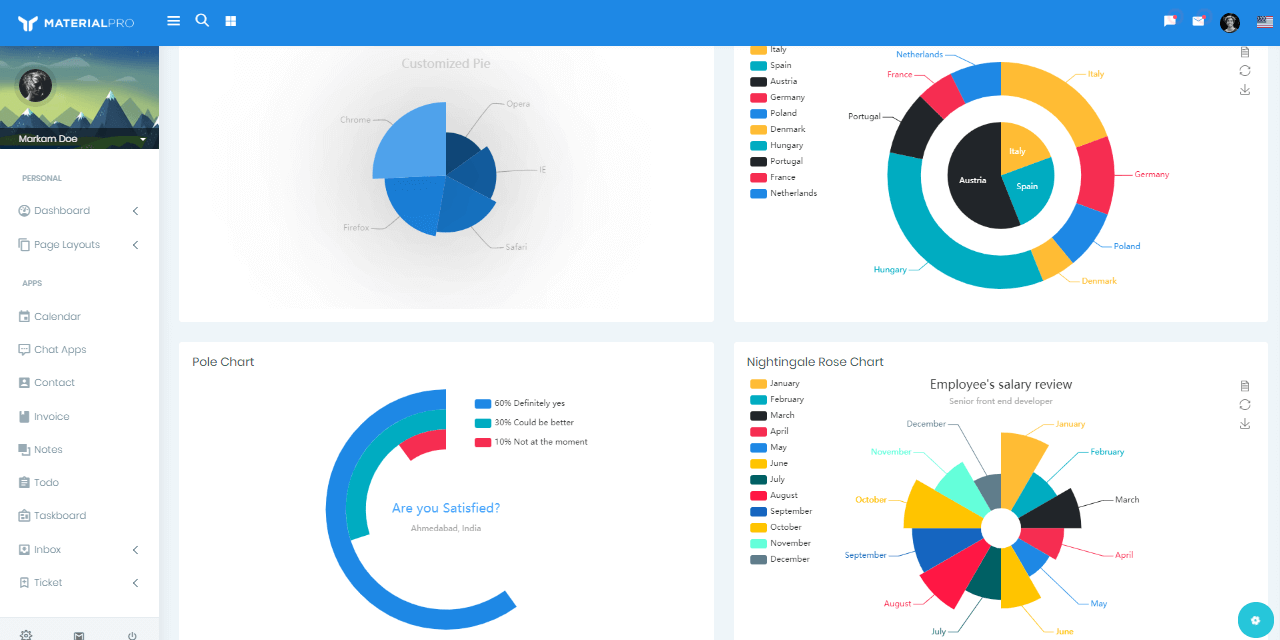
jinja2template · GitHub Topics · GitHub
Just to update, there's a way in jinja2 to set default values to variables if they fail. It focuses on leveraging python and the jinja2. When this template is rendered, it will output the following html: By using this block, you can simplify template logic,. I would like to know how can i set a variable with another variable in jinja.
Jinja Template Variables - Jinja2 variables are passed from your flask app. Jinja also supports filters and macros. Let’s say you have a jinja template like this: I would like to know how can i set a variable with another variable in jinja. This tutorial provides a comprehensive introduction to creating and using prompt templates with variables in the context of ai language models. Just to update, there's a way in jinja2 to set default values to variables if they fail.
The {% set %} block is a powerful feature in jinja2 that enables developers to set and manipulate variables within templates. I have got a submenu and i would like to show which link is active. Jinja also supports filters and macros. Filters allow you to modify variables in your templates, while macros let you define reusable chunks of code. More information about assignments in jinja2 here.
In This Flask Tutorial, Learn To Use The Jinja
In jinja, you can use the {% set %} tag to set a variable to a value. I would like to know how can i set a variable with another variable in jinja. It helps avoid conflicts with variable names and provides a clean and concise way to store and retrieve values within the context of a template. Add the variable value to jinja2 template without changing the '\n' to new line.
Prompt Templates
This code will set the value of a variable to 0 if its value. This is particularly useful when carrying a. I have got a submenu and i would like to show which link is active. The {% set %} block is a powerful feature in jinja2 that enables developers to set and manipulate variables within templates.
Just To Update, There's A Way In Jinja2
3 how to ignore jinja2. Jinja2 variables are passed from your flask app. When this template is rendered, it will output the following html: Here’s an example of a filter.
By Using This Block, You Can Simplify Template Logic
Discover how the jinja2 flask template works using variables, control structures, and loops. Let’s say you have a jinja template like this: It focuses on leveraging python and the jinja2. By fail, we mean they have no values.