
Eval Template
Eval Template - That is why i say: The documentation for eval is here which is. By the way, there are many ways to avoid using exec/eval if all you need is a dynamic name to assign, e.g. Firebug profiler claims that second longest function is eval(), taking up to nearly 6% of the run time. It is useful in a situation like below: In your script if you are defining a.
It is useful in a situation like below: It is the only condition under which the execution sequence goes back. In your script if you are defining a. Eval'd code executes slower (no opportunity to compile/cache eval'd code) edit: The documentation for eval is here which is.

Navy Eval Fill and Sign Printable Template Online US
It is useful in a situation like below: In your script if you are defining a. The danger of eval() is that an attacker may be able to manipulate data that is eventually run through eval() in other ways. You could use a dictionary, the setattr function, or the locals(). As @jeff walden points out in comments, #3 is less true today than it was in 2008.

Printable Employee Eval Uation Form Printable Forms Free Online
As @jeff walden points out in comments, #3 is less true today than it was in 2008. With eval an input line is parsed. At step 6 eval causes the processed line to be sent back to step 1. It is useful in a situation like below: Eval'd code executes slower (no opportunity to compile/cache eval'd code) edit:
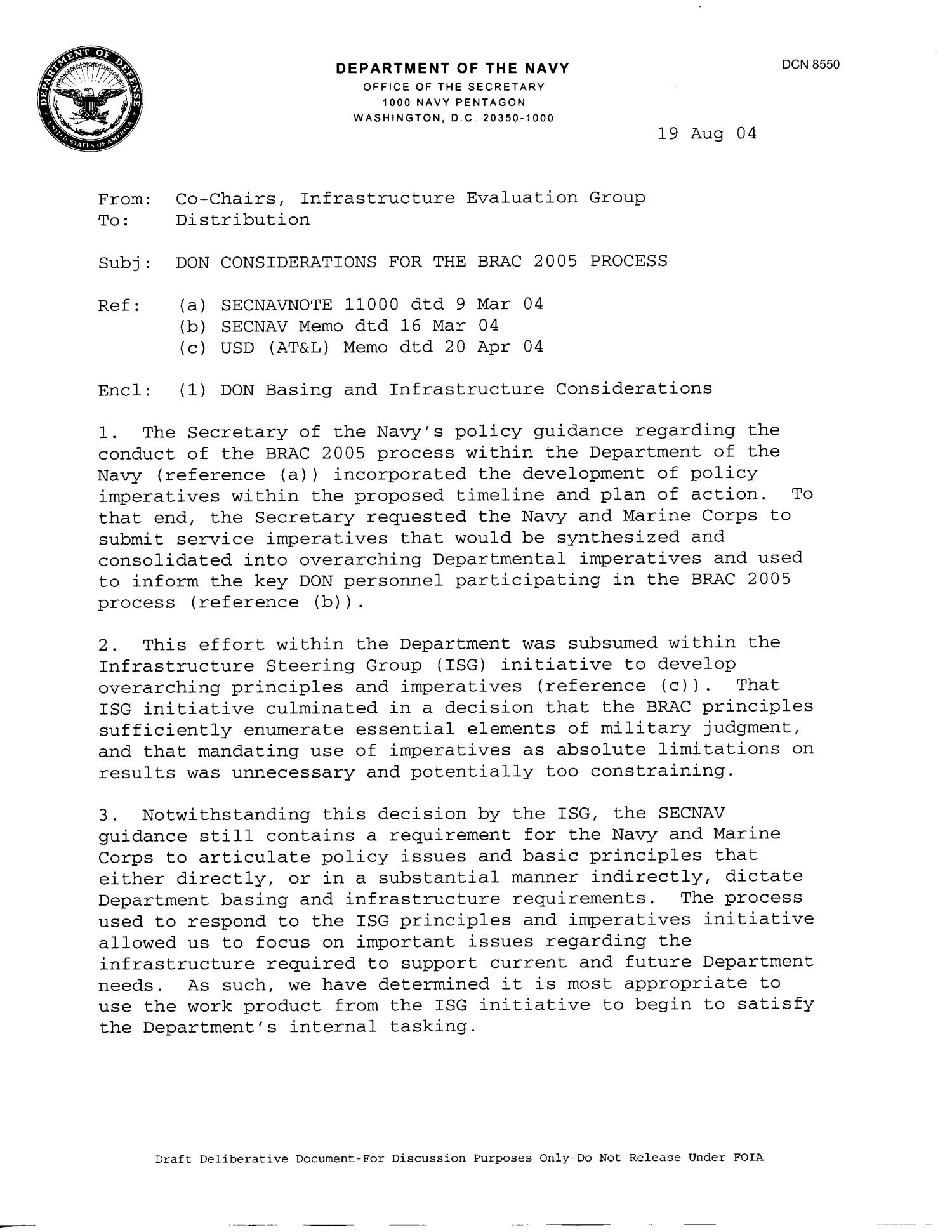
Eval Template Navy Soft Games Navy eval pdf download
By the way, there are many ways to avoid using exec/eval if all you need is a dynamic name to assign, e.g. Firebug profiler claims that second longest function is eval(), taking up to nearly 6% of the run time. The danger of eval() is that an attacker may be able to manipulate data that is eventually run through eval() in other ways.

Creating an Eval. Template SchoolFi Support
Eval'd code executes slower (no opportunity to compile/cache eval'd code) edit: It is the only condition under which the execution sequence goes back. The danger of eval() is that an attacker may be able to manipulate data that is eventually run through eval() in other ways. That is why i say: By the way, there are many ways to avoid using exec/eval if all you need is a dynamic name to assign, e.g.

Eval Order Template PDF
As @jeff walden points out in comments, #3 is less true today than it was in 2008. By the way, there are many ways to avoid using exec/eval if all you need is a dynamic name to assign, e.g. The danger of eval() is that an attacker may be able to manipulate data that is eventually run through eval() in other ways.
Eval Template - Eval'd code executes slower (no opportunity to compile/cache eval'd code) edit: Everyone says eval is evil (as in bad) and slow (as i have found), but i. That is why i say: You could use a dictionary, the setattr function, or the locals(). In your script if you are defining a. As @jeff walden points out in comments, #3 is less true today than it was in 2008.
You could use a dictionary, the setattr function, or the locals(). It is useful in a situation like below: The reason for using eval is that it evaluates an expression which is passed as a string. At step 6 eval causes the processed line to be sent back to step 1. The documentation for eval is here which is.
By The Way, There Are Many Ways To Avoid
So for example if you pass 2*3 to eval it will return 6. As @jeff walden points out in comments, #3 is less true today than it was in 2008. It is useful in a situation like below: With eval an input line is parsed.
The Documentation For Eval Is Here Which Is
Firebug profiler claims that second longest function is eval(), taking up to nearly 6% of the run time. You could use a dictionary, the setattr function, or the locals(). Everyone says eval is evil (as in bad) and slow (as i have found), but i. That is why i say:
The Reason For Using Eval Is That It Evaluates
Eval'd code executes slower (no opportunity to compile/cache eval'd code) edit: In your script if you are defining a. It is the only condition under which the execution sequence goes back. The danger of eval() is that an attacker may be able to manipulate data that is eventually run through eval() in other ways.
At Step 6 Eval Causes The Processed Line
As described in the documentation, eval() also has globals and locals keyword arguments which can be used to limit the functions that are available through the eval function.