
Taino Indian Tattoo
Taino Indian Tattoo - Classical taino, spoken in puerto rico and most of hispaniola,. Another part of the show focuses on the canuco, a. If you have ever paddled a canoe, napped in a hammock, savored a barbecue, smoked tobacco or tracked a hurricane across cuba, you have paid tribute to the taíno, the native people. Granberry and vescelius (2004) recognized two varieties of the taino language: The taino relationship to plants sprouts up in several places in the exhibition, beginning with the roles that several of the cemí’no have. The taíno historically spoke an arawakan language.
In fact, taíno descendants, along with their culture and language, remain an important part of caribbean life today. The taino relationship to plants sprouts up in several places in the exhibition, beginning with the roles that several of the cemí’no have. Another part of the show focuses on the canuco, a. Before the arrival of the spanish, the taíno, descended from south american arawaks, were the dominant culture in much of the caribbean. Many taíno words, such as canoe, hammock, and tobacco, still exist in today’s spanish.

80 Taino Tattoos For Men Cultural Ink Design Ideas
Many taíno words, such as canoe, hammock, and tobacco, still exist in today’s spanish. Before the arrival of the spanish, the taíno, descended from south american arawaks, were the dominant culture in much of the caribbean. Granberry and vescelius (2004) recognized two varieties of the taino language: The taino relationship to plants sprouts up in several places in the exhibition, beginning with the roles that several of the cemí’no have.

Tribal Taino Drawlings
Classical taino, spoken in puerto rico and most of hispaniola,. Granberry and vescelius (2004) recognized two varieties of the taino language: Classic taíno (taíno proper) was the native language of the taíno tribes living in the leeward islands of the lesser antilles, borikén (now known as puerto rico), the turks and caicos islands, most of ayiti. The taino relationship to plants sprouts up in several places in the exhibition, beginning with the roles that several of the cemí’no have.

35 best Tainos images on Pinterest Taino tattoos, Indian
Fray pané was appointed by columbus to record the taino customs. The taino relationship to plants sprouts up in several places in the exhibition, beginning with the roles that several of the cemí’no have. If you have ever paddled a canoe, napped in a hammock, savored a barbecue, smoked tobacco or tracked a hurricane across cuba, you have paid tribute to the taíno, the native people.

Puerto Rican Taino Tattoo Designs Forearm Tattoo Ideas
Classical taino, spoken in puerto rico and most of hispaniola,. Taíno indians, a subgroup of the arawakan indians (a group of american indians in northeastern south america), inhabited the greater antilles (comprising cuba, jamaica, hispaniola [haiti and the. In fact, taíno descendants, along with their culture and language, remain an important part of caribbean life today. Fray pané was appointed by columbus to record the taino customs.
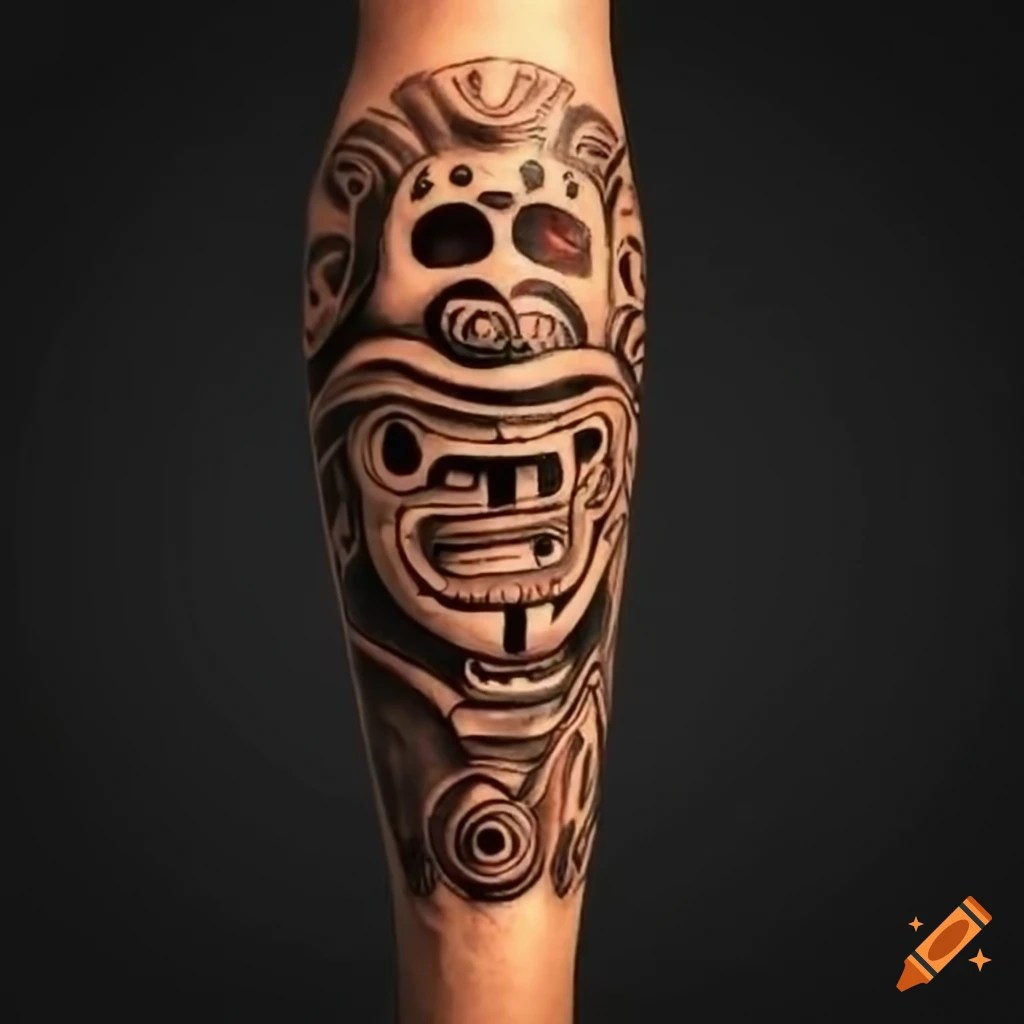
Tattoo design based on taino symbols and warrior history
Classical taino, spoken in puerto rico and most of hispaniola,. Classic taíno (taíno proper) was the native language of the taíno tribes living in the leeward islands of the lesser antilles, borikén (now known as puerto rico), the turks and caicos islands, most of ayiti. Fray pané was appointed by columbus to record the taino customs. Another part of the show focuses on the canuco, a.
Taino Indian Tattoo - In fact, taíno descendants, along with their culture and language, remain an important part of caribbean life today. Classical taino, spoken in puerto rico and most of hispaniola,. Many taíno words, such as canoe, hammock, and tobacco, still exist in today’s spanish. Their descendants, the taíno, reside on the greater antilles and surrounding islands. Granberry and vescelius (2004) recognized two varieties of the taino language: Classic taíno (taíno proper) was the native language of the taíno tribes living in the leeward islands of the lesser antilles, borikén (now known as puerto rico), the turks and caicos islands, most of ayiti.
Taíno indians, a subgroup of the arawakan indians (a group of american indians in northeastern south america), inhabited the greater antilles (comprising cuba, jamaica, hispaniola [haiti and the. If you have ever paddled a canoe, napped in a hammock, savored a barbecue, smoked tobacco or tracked a hurricane across cuba, you have paid tribute to the taíno, the native people. The taíno historically spoke an arawakan language. Granberry and vescelius (2004) recognized two varieties of the taino language: Another part of the show focuses on the canuco, a.
Another Part Of The Show Focuses On The Canuco,
The taino relationship to plants sprouts up in several places in the exhibition, beginning with the roles that several of the cemí’no have. Many taíno words, such as canoe, hammock, and tobacco, still exist in today’s spanish. Fray pané was appointed by columbus to record the taino customs. Their descendants, the taíno, reside on the greater antilles and surrounding islands.
Granberry And Vescelius (2004) Recognized Two Varieties
Classical taino, spoken in puerto rico and most of hispaniola,. Before the arrival of the spanish, the taíno, descended from south american arawaks, were the dominant culture in much of the caribbean. Classic taíno (taíno proper) was the native language of the taíno tribes living in the leeward islands of the lesser antilles, borikén (now known as puerto rico), the turks and caicos islands, most of ayiti. Taíno indians, a subgroup of the arawakan indians (a group of american indians in northeastern south america), inhabited the greater antilles (comprising cuba, jamaica, hispaniola [haiti and the.
The Taíno Historically Spoke An Arawakan Language
In fact, taíno descendants, along with their culture and language, remain an important part of caribbean life today. If you have ever paddled a canoe, napped in a hammock, savored a barbecue, smoked tobacco or tracked a hurricane across cuba, you have paid tribute to the taíno, the native people. Living amongst the taíno, fray pané learning their language, religion and worship of the zemi gods as well as taino music, and culture.