
What Is A Person Who Draws Blood Called
What Is A Person Who Draws Blood Called - Phlebotomists are technicians who draw blood. Their main responsibility involves venipuncture—puncturing a. This term might sound complex, but it simply refers to someone trained to collect blood samples from patients for medical testing,. Learn what they do, where they work, and how they train for the role. The person who draws your blood is called a phlebotomist. This specialized healthcare role is fundamental to modern medicine, providing the.
The person responsible for drawing blood is known as a phlebotomist. The person who draws your blood is called a phlebotomist. The primary professional responsible for drawing blood is called a phlebotomist, also known as a phlebotomy technician. While other healthcare providers like nurses and medical assistants may perform blood. This term might sound complex, but it simply refers to someone trained to collect blood samples from patients for medical testing,.

6.5 Variation in Blood Types Human Biology
Phlebotomists draw blood for tests, transfusions, research, or blood donations. The person who draws your blood is called a phlebotomist. The primary professional responsible for drawing blood is called a phlebotomist, also known as a phlebotomy technician. Their main responsibility involves venipuncture—puncturing a. The medical professional responsible for drawing blood is commonly referred to as a phlebotomist.

Safe and Effective Blood Draw YouTube
Some of them explain their work to patients and provide assistance if patients have adverse reactions after their blood is. Learn what they do, where they work, and how they train for the role. The primary professional responsible for drawing blood is called a phlebotomist, also known as a phlebotomy technician. The medical professional responsible for drawing blood is commonly referred to as a phlebotomist.

HOW TO DRAW
This specialized healthcare role is fundamental to modern medicine, providing the. Learn what they do, where they work, and how they train for the role. The medical professional primarily responsible for drawing blood from a patient is called a phlebotomist. While other healthcare providers like nurses and medical assistants may perform blood. Phlebotomists are technicians who draw blood.
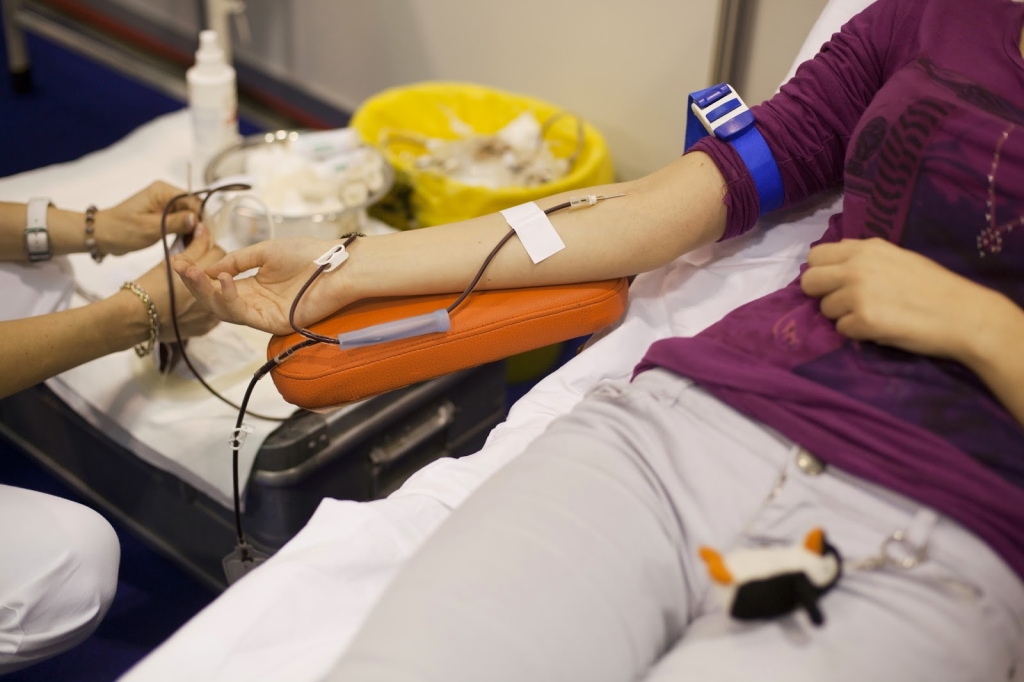
A Person That Draws Blood Is Called Phlebotomy Technician
Some of them explain their work to patients and provide assistance if patients have adverse reactions after their blood is. The person responsible for drawing blood is known as a phlebotomist. While other healthcare providers like nurses and medical assistants may perform blood. This specialized healthcare role is fundamental to modern medicine, providing the. Learn what they do, where they work, and how they train for the role.

What is a Person who Draws Blood Called
The person who draws your blood is called a phlebotomist. Some of them explain their work to patients and provide assistance if patients have adverse reactions after their blood is. While other healthcare providers like nurses and medical assistants may perform blood. The primary professional responsible for drawing blood is called a phlebotomist, also known as a phlebotomy technician. This term might sound complex, but it simply refers to someone trained to collect blood samples from patients for medical testing,.
What Is A Person Who Draws Blood Called - The medical professional primarily responsible for drawing blood from a patient is called a phlebotomist. Learn what they do, where they work, and how they train for the role. This term might sound complex, but it simply refers to someone trained to collect blood samples from patients for medical testing,. Phlebotomists draw blood for tests, transfusions, research, or blood donations. A phlebotomist is a trained healthcare professional specialized in drawing blood from patients for laboratory testing, blood donations, or medical procedures. Some of them explain their work to patients and provide assistance if patients have adverse reactions after their blood is.
Learn why you might visit a phlebotomist and what to expect when having your blood drawn. A phlebotomist is a medical professional who draws your blood for laboratory testing, research or blood donations. Learn what they do, where they work, and how they train for the role. Phlebotomists are technicians who draw blood. Phlebotomists draw blood for tests, transfusions, research, or blood donations.
Their Main Responsibility Involves Venipuncture—Puncturing A
A phlebotomist is a trained healthcare professional specialized in drawing blood from patients for laboratory testing, blood donations, or medical procedures. The person who draws your blood is called a phlebotomist. Phlebotomists draw blood for tests, transfusions, research, or blood donations. Some of them explain their work to patients and provide assistance if patients have adverse reactions after their blood is.
The Person Responsible For Drawing Blood Is Known
This term might sound complex, but it simply refers to someone trained to collect blood samples from patients for medical testing,. A phlebotomist is a medical professional who draws your blood for laboratory testing, research or blood donations. The primary professional responsible for drawing blood is called a phlebotomist, also known as a phlebotomy technician. The medical professional primarily responsible for drawing blood from a patient is called a phlebotomist.
Phlebotomists Are Technicians Who Draw Blood
The medical professional responsible for drawing blood is commonly referred to as a phlebotomist. Learn why you might visit a phlebotomist and what to expect when having your blood drawn. This specialized healthcare role is fundamental to modern medicine, providing the. While other healthcare providers like nurses and medical assistants may perform blood.