
Digestive System Drawing Easy
Digestive System Drawing Easy - Key organs include the mouth, stomach, intestines, with support from the liver and pancreas. Learn more about how your digestive system works and how it performs the essential task of breaking down and absorbing the food and fluids you consume each day. Learn about the digestive system with innerbody's interactive guide. The human digestive system consists of the gastrointestinal tract plus the accessory organs of digestion (the tongue, salivary glands, pancreas, liver, and gallbladder). The human digestive system consists primarily of the digestive tract, or the series of structures and organs through which food and liquids pass during their processing into forms that can be absorbed. From mouth to the intestines, learn about each organ's role in digestion.
Key organs include the mouth, stomach, intestines, with support from the liver and pancreas. From the initial bite to the final elimination, we’ll follow the food’s journey through the body, uncovering the roles of various. The human digestive system consists primarily of the digestive tract, or the series of structures and organs through which food and liquids pass during their processing into forms that can be absorbed. The digestive system is made up of the gastrointestinal tract—also called the gi tract or digestive tract—and the liver, pancreas, and gallbladder. Diagram, parts, functions, how digestion works, disorders, and comparisons with animals.

In this article, we will explore the human digestive system in detail. The digestive system is made up of the gastrointestinal tract—also called the gi tract or digestive tract—and the liver, pancreas, and gallbladder. The human digestive system consists primarily of the digestive tract, or the series of structures and organs through which food and liquids pass during their processing into forms that can be absorbed.

Comprehensive guide to the human digestive system: The small intestine, which is 670 to 760 cm (22 to 25 feet) in length and 3 to 4 cm (about 2 inches) in diameter, is the longest part. Diagram, parts, functions, how digestion works, disorders, and comparisons with animals. Key organs include the mouth, stomach, intestines, with support from the liver and pancreas.

How To Draw The
The human digestive system consists of the gastrointestinal tract plus the accessory organs of digestion (the tongue, salivary glands, pancreas, liver, and gallbladder). Learn more about how your digestive system works and how it performs the essential task of breaking down and absorbing the food and fluids you consume each day. The digestive system is made up of the gastrointestinal tract—also called the gi tract or digestive tract—and the liver, pancreas, and gallbladder.
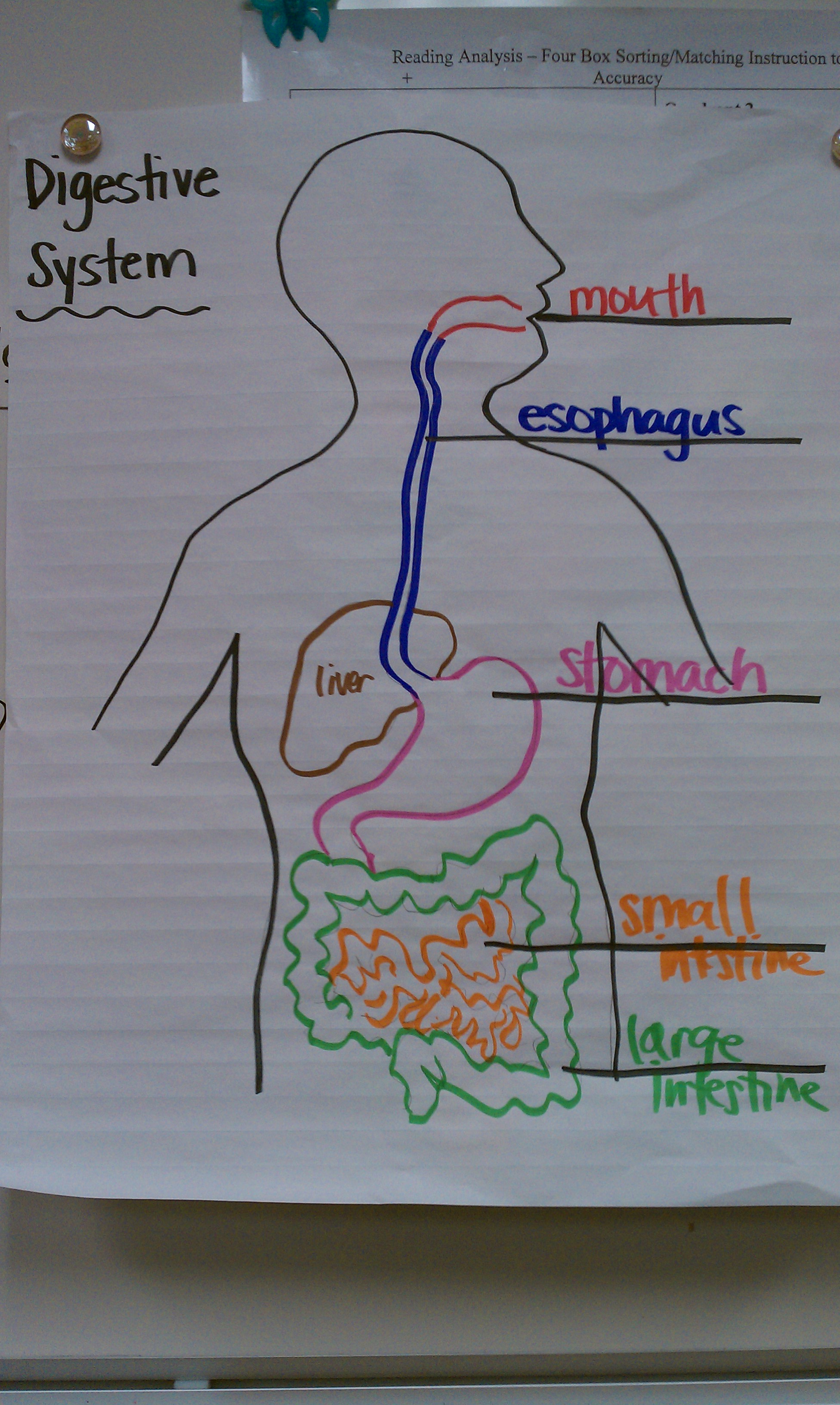
Digestive System Drawing at GetDrawings Free download
The gi tract is a series of hollow organs joined in a. The human digestive system consists primarily of the digestive tract, or the series of structures and organs through which food and liquids pass during their processing into forms that can be absorbed. Discover the digestive system and understand its intricate processes. Learn more about how your digestive system works and how it performs the essential task of breaking down and absorbing the food and fluids you consume each day.

Digestive System Drawing For Kids
The human digestive system consists of the gastrointestinal tract plus the accessory organs of digestion (the tongue, salivary glands, pancreas, liver, and gallbladder). Key organs include the mouth, stomach, intestines, with support from the liver and pancreas. In this article, we will explore the human digestive system in detail. Discover the digestive system and understand its intricate processes. The gi tract is a series of hollow organs joined in a.
Digestive System Drawing Easy - Learn about the digestive system with innerbody's interactive guide. The human digestive system consists primarily of the digestive tract, or the series of structures and organs through which food and liquids pass during their processing into forms that can be absorbed. The small intestine, which is 670 to 760 cm (22 to 25 feet) in length and 3 to 4 cm (about 2 inches) in diameter, is the longest part. Your digestive system transforms the food you eat into nutrients and energy. The digestive system is made up of the gastrointestinal tract—also called the gi tract or digestive tract—and the liver, pancreas, and gallbladder. From mouth to the intestines, learn about each organ's role in digestion.
The small intestine, which is 670 to 760 cm (22 to 25 feet) in length and 3 to 4 cm (about 2 inches) in diameter, is the longest part. View detailed diagrams of the stomach, liver, and other digestive organs. The gi tract is a series of hollow organs joined in a. In this article, we will explore the human digestive system in detail. Learn about the digestive system with innerbody's interactive guide.
The Small Intestine, Which Is 670 To 760 Cm
The digestive system is made up of the gastrointestinal tract—also called the gi tract or digestive tract—and the liver, pancreas, and gallbladder. In this article, we will explore the human digestive system in detail. Learn about the digestive system with innerbody's interactive guide. View detailed diagrams of the stomach, liver, and other digestive organs.
From The Initial Bite To The Final Elimination, We’ll
The human digestive system consists of the gastrointestinal tract plus the accessory organs of digestion (the tongue, salivary glands, pancreas, liver, and gallbladder). The human digestive system consists primarily of the digestive tract, or the series of structures and organs through which food and liquids pass during their processing into forms that can be absorbed. Comprehensive guide to the human digestive system: From mouth to the intestines, learn about each organ's role in digestion.
The Gi Tract Is A Series Of Hollow Organs
Your digestive system transforms the food you eat into nutrients and energy. Learn more about how your digestive system works and how it performs the essential task of breaking down and absorbing the food and fluids you consume each day. Diagram, parts, functions, how digestion works, disorders, and comparisons with animals. Discover the digestive system and understand its intricate processes.