
Capillary Blood Draw
Capillary Blood Draw - Master the phlebotomy order of draw with our complete guide. Covers tube colors, additives, memory tricks, butterfly needle technique, and what happens when you draw in the wrong order. Capillary blood collection is essential for neonates, infants, and pediatric patients when venipuncture is not feasible. Capillary blood collection involves obtaining a small sample of blood by pricking the patient's finger or heel with a lancet. Capillary puncture — also called dermal puncture — is a method of blood collection that samples blood from the capillary bed just beneath the skin rather than from a vein. Learn the capillary order of draw for fingerstick and heelstick blood collection.
Capillary puncture — also called dermal puncture — is a method of blood collection that samples blood from the capillary bed just beneath the skin rather than from a vein. Understand how it differs from venipuncture order, which specimens to collect first, and how to avoid common errors. Master the heel stick and finger stick procedures, and you will be. Capillary blood collection is essential for neonates, infants, and pediatric patients when venipuncture is not feasible. Essential for phlebotomy certification exams.

Capillary Blood Collection Procedure at Glenn Nelsen blog
Capillary blood collection is essential for neonates, infants, and pediatric patients when venipuncture is not feasible. Proper capillary blood collection and handling procedures are critical to accurately reflect a patient’s physiology. Understand how it differs from venipuncture order, which specimens to collect first, and how to avoid common errors. Master the phlebotomy order of draw with our complete guide. Covers tube colors, additives, memory tricks, butterfly needle technique, and what happens when you draw in the wrong order.

Capillary Puncture Procedure Steps, Precautions, and Guidelines
Learn the capillary order of draw for fingerstick and heelstick blood collection. The blood is then collected on a small piece of absorbent paper,. Covers tube colors, additives, memory tricks, butterfly needle technique, and what happens when you draw in the wrong order. Proper capillary blood collection and handling procedures are critical to accurately reflect a patient’s physiology. Proper site selection, puncture depth, order of collection, warming techniques, and pediatric heel stick procedures.
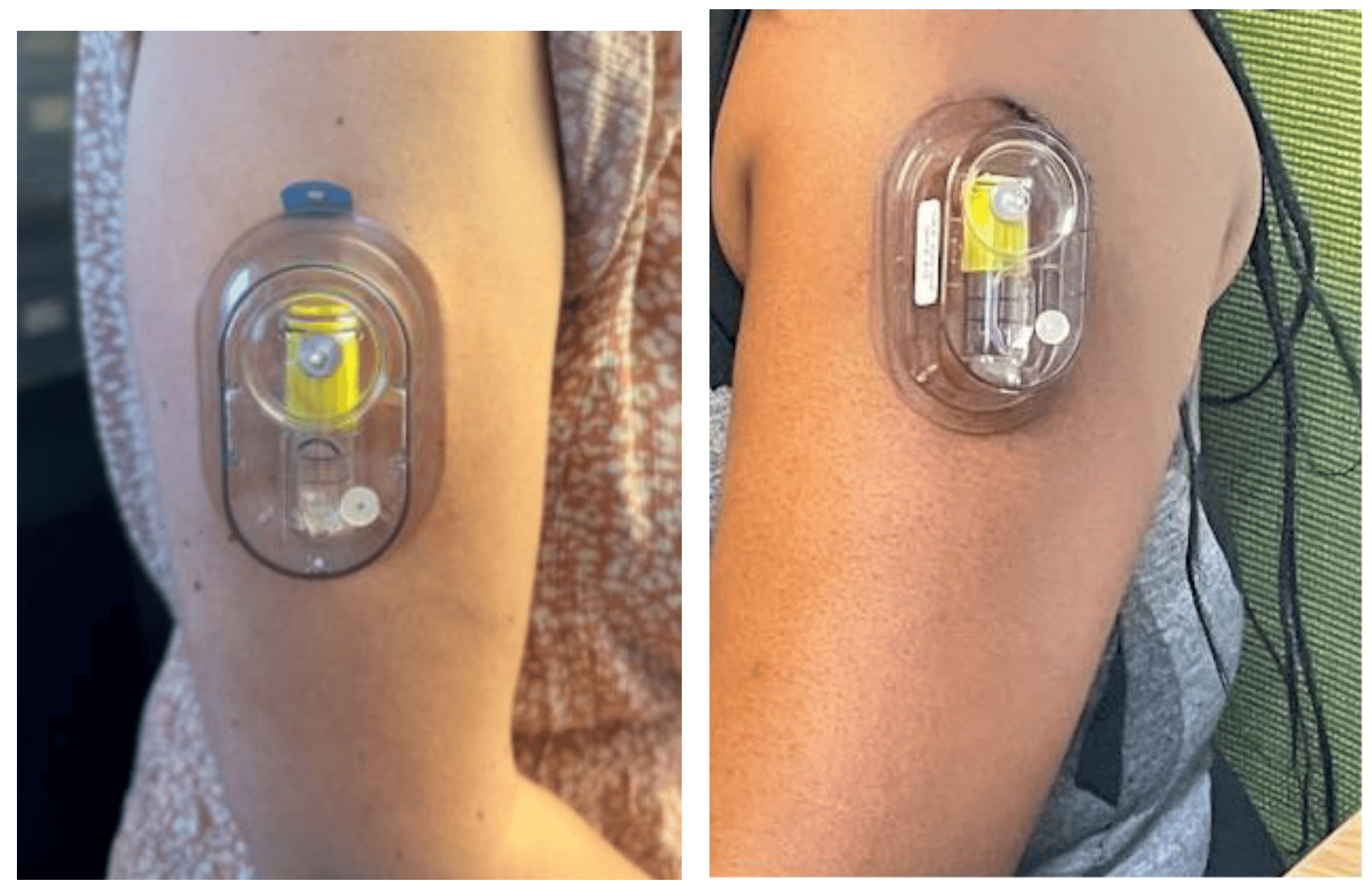
Painless Capillary Blood Collection A Rapid Evaluation
The blood is then collected on a small piece of absorbent paper,. Proper capillary blood collection and handling procedures are critical to accurately reflect a patient’s physiology. Learn the capillary order of draw for fingerstick and heelstick blood collection. Capillary blood collection is essential for neonates, infants, and pediatric patients when venipuncture is not feasible. Capillary puncture — also called dermal puncture — is a method of blood collection that samples blood from the capillary bed just beneath the skin rather than from a vein.

How to properly handle a capillary blood gas sample
Master the heel stick and finger stick procedures, and you will be. Capillary blood collection, often referred to as fingerstick or heelstick sampling, is a minimally invasive technique used to obtain small volumes of blood from superficial capillaries for. Learn the capillary order of draw for fingerstick and heelstick blood collection. Specimens from infants under the age of 6 months are typically collected by heelstick.patients over the age of 6 months should have capillary specimens collected byfingerstick.

Poster Capillary Blood PDF Clinical Medicine Medical Specialties
Proper site selection, puncture depth, order of collection, warming techniques, and pediatric heel stick procedures. The blood is then collected on a small piece of absorbent paper,. Capillary blood collection is essential for neonates, infants, and pediatric patients when venipuncture is not feasible. Capillary blood collection, often referred to as fingerstick or heelstick sampling, is a minimally invasive technique used to obtain small volumes of blood from superficial capillaries for.
Capillary Blood Draw - Understand how it differs from venipuncture order, which specimens to collect first, and how to avoid common errors. Capillary blood collection, often referred to as fingerstick or heelstick sampling, is a minimally invasive technique used to obtain small volumes of blood from superficial capillaries for. Proper capillary blood collection and handling procedures are critical to accurately reflect a patient’s physiology. Master the phlebotomy order of draw with our complete guide. The blood is then collected on a small piece of absorbent paper,. Covers tube colors, additives, memory tricks, butterfly needle technique, and what happens when you draw in the wrong order.
Capillary blood collection involves obtaining a small sample of blood by pricking the patient's finger or heel with a lancet. Capillary blood collection is essential for neonates, infants, and pediatric patients when venipuncture is not feasible. Essential for phlebotomy certification exams. Understand how it differs from venipuncture order, which specimens to collect first, and how to avoid common errors. Capillary blood collection, often referred to as fingerstick or heelstick sampling, is a minimally invasive technique used to obtain small volumes of blood from superficial capillaries for.
Capillary Blood Collection Involves Obtaining A Small Sample
The blood is then collected on a small piece of absorbent paper,. Capillary puncture — also called dermal puncture — is a method of blood collection that samples blood from the capillary bed just beneath the skin rather than from a vein. Master the phlebotomy order of draw with our complete guide. Master the heel stick and finger stick procedures, and you will be.
Essential For Phlebotomy Certification Exams
Capillary blood collection is essential for neonates, infants, and pediatric patients when venipuncture is not feasible. Covers tube colors, additives, memory tricks, butterfly needle technique, and what happens when you draw in the wrong order. Understand how it differs from venipuncture order, which specimens to collect first, and how to avoid common errors. Capillary blood collection, often referred to as fingerstick or heelstick sampling, is a minimally invasive technique used to obtain small volumes of blood from superficial capillaries for.
Capillary Order Of Draw
Proper capillary blood collection and handling procedures are critical to accurately reflect a patient’s physiology. Specimens from infants under the age of 6 months are typically collected by heelstick.patients over the age of 6 months should have capillary specimens collected byfingerstick. Proper site selection, puncture depth, order of collection, warming techniques, and pediatric heel stick procedures.